Bitcoin briefly dropped below $73,000 to its lowest level since November 2024, with analysts declaring a full-scale crypto winter.
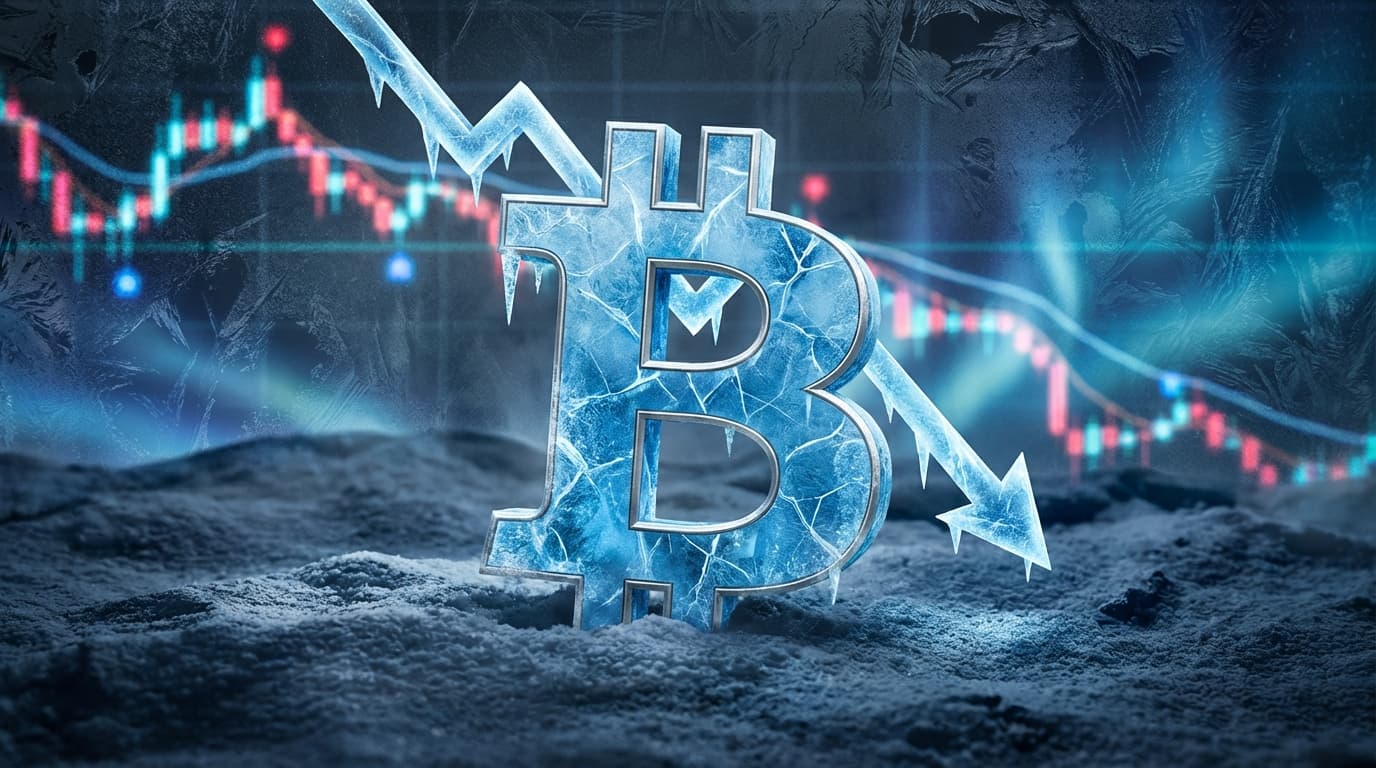
Bitcoin plunged to its lowest price in over 16 months, briefly touching $72,884 and erasing all post-election gains.
Bitcoin briefly dipped below $73,000 on Tuesday, reaching $72,884, its lowest level since November 6, 2024. The drop marks the cryptocurrency's fourth consecutive monthly decline and its longest losing streak in seven years.
The selloff has been widespread across the crypto market. Ethereum fell to around $2,150, down over 50% from its August 2025 peak near $4,950. Solana dropped below $100, cutting its value in half over the past week. The total crypto market capitalization shed nearly $50 billion in hours, falling to $2.57 trillion.
Digital asset investment products recorded $1.7 billion in outflows last week, bringing year-to-date outflows to $1 billion.
Bitwise CIO Matt Hougan declared the market is in a "full-bore, 2022-like crypto winter," noting this is not merely a bull market correction. Bitcoin is now down roughly 25% since Trump's second-term inauguration, reversing a rally that once carried it close to $125,000.
Analysts point to multiple factors: disappointing tech earnings that cracked the AI narrative, precious metals unwinding, and uncertainty around Kevin Warsh's Federal Reserve chair nomination. Geopolitical concerns around Iran and the Fed's decision to hold rates steady have pushed investors toward safer assets.
Prediction markets suggest Bitcoin is more likely to test $70,000 than reclaim $90,000 in the near term. However, Hougan noted that crypto winters typically last about 13 months, suggesting the bottom could be weeks away. Crypto-related stocks remain under pressure, with Robinhood down 9%, and Coinbase and Strategy down 3%.
This is a developing story. Market conditions remain volatile and may change rapidly.

Wall Street giant Citigroup projects Bitcoin could reach $143,000 within 12 months, citing ETF demand and regulatory tailwinds as key catalysts.

The largest US bank is assessing spot and derivatives trading services as regulatory clarity enables traditional finance to deepen crypto involvement.
Senator Boozman postpones Digital Asset Market Clarity Act from January 15 to final week of January to secure bipartisan support.
Haftungsausschluss: Nachrichteninhalte dienen nur zu Informationszwecken und sollten nicht als Finanzberatung betrachtet werden. Marktbedingungen können sich schnell ändern. Führen Sie immer Ihre eigene Recherche durch.
