Bitcoin Falls Below $71K as Trump Orders Hormuz Blockade
Bitcoin dropped 2.5% after President Trump ordered the U.S. Navy to blockade the Strait of Hormuz following the collapse of Iran nuclear talks.
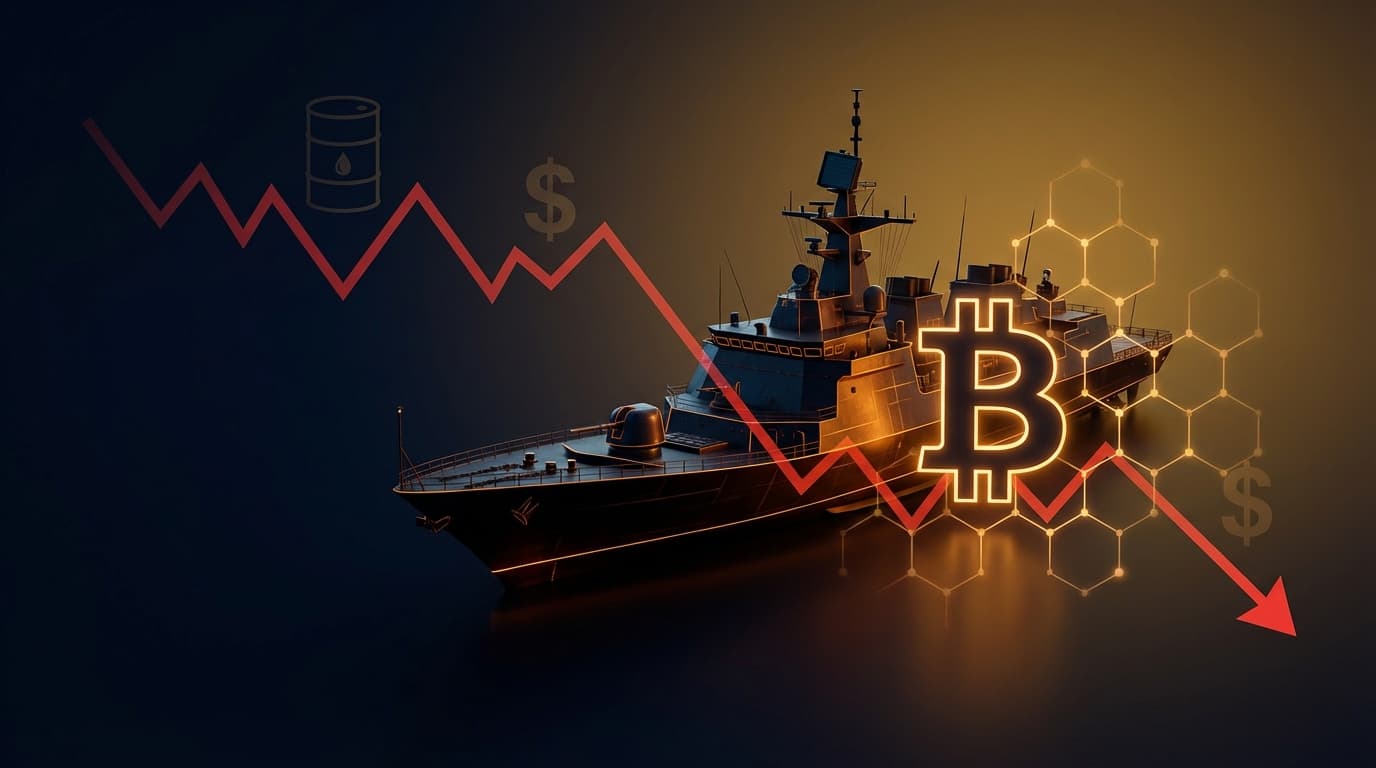
Bitcoin slid below $71,000 on Sunday, April 12, after President Trump ordered the U.S. Navy to begin blockading the Strait of Hormuz, erasing gains that had briefly pushed the asset above $73,000 earlier in the week.
What Happened
President Trump announced on April 12 that the U.S. Navy would "begin the process of blockading any and all ships trying to enter, or leave, the Strait of Hormuz." The order came hours after Vice President J.D. Vance confirmed that U.S.-Iran nuclear negotiations in Pakistan had collapsed without an extended ceasefire agreement.
Bitcoin fell roughly 2.5% on the announcement, dropping from around $73,000 to below $71,000. Ethereum fell toward $2,200, and the broader crypto market came under pressure as traders moved to reduce risk exposure. Oil futures surged in response, with WTI and Brent crude climbing sharply on the Hyperliquid perpetuals market, where WTI trading volume reached $1.53 billion.
Why It Matters
The Strait of Hormuz handles roughly 20% of global oil supply. A sustained blockade threatens to trigger an energy price shock that would push inflation higher and weigh on risk assets, including crypto. Bitcoin has been trading in a volatile range since the original tariff-driven selloff in early April, when it dropped from $91,000 to $72,885 in four days.
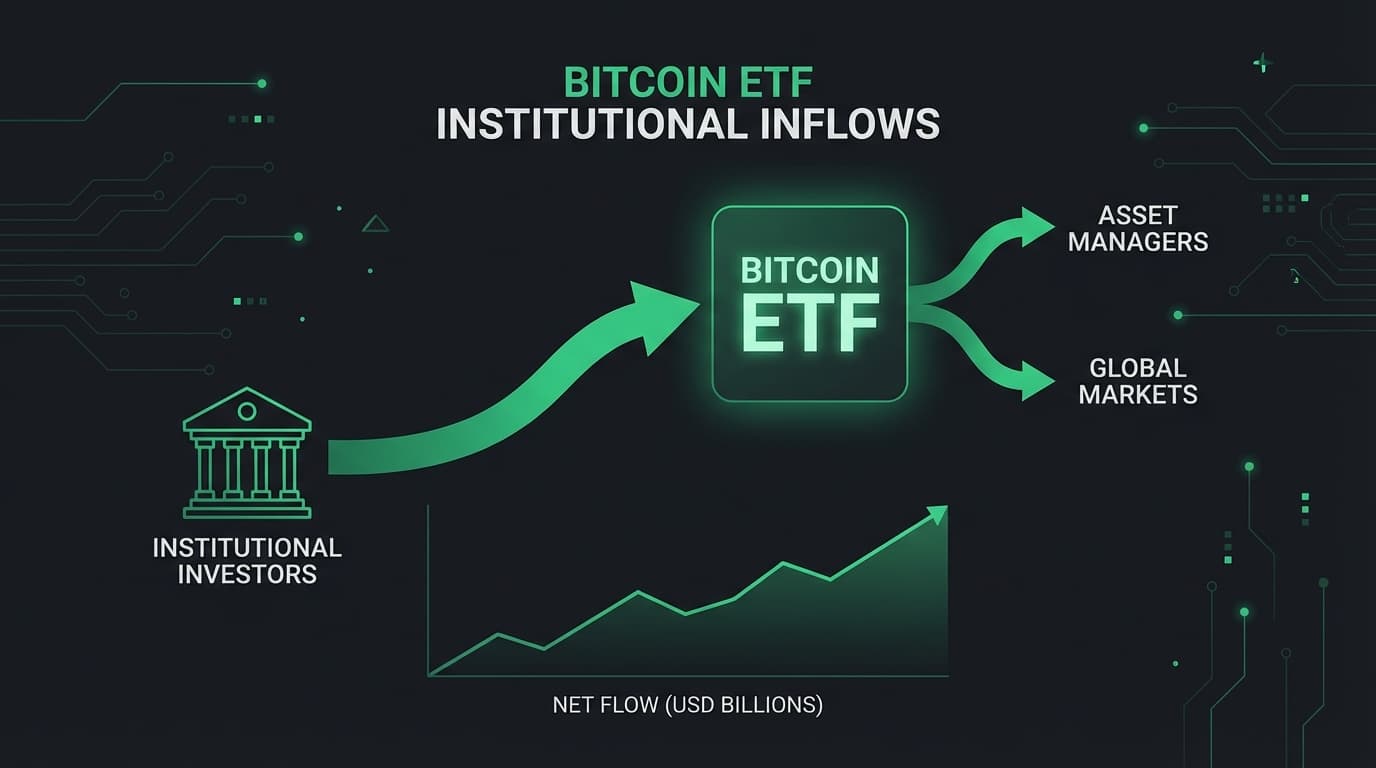
The timing compounds existing macro pressure. The Fear and Greed Index has fallen deep into extreme fear territory, a level not sustained since the 2022 bear market. Recent sessions have also seen significant net outflows from major Bitcoin spot ETFs, signaling institutional caution amid rising geopolitical uncertainty.
What to Watch
Immediate support sits at $70,000, a psychological floor. If BTC holds there, the broader bullish structure remains intact. A clean breakout above $73,000 resistance would be needed to open the path toward $76,000. Traders are closely watching oil futures and any diplomatic developments between the U.S. and Iran, as a ceasefire resumption could reverse the selloff quickly, similar to the bounce above $72,000 seen on April 8 when the initial two-week ceasefire was announced.
Key Takeaways
The Hormuz blockade injects a new layer of geopolitical risk into an already fragile crypto market. With extreme fear readings, heavy ETF outflows, and oil prices surging, Bitcoin faces a challenging near-term environment. Any diplomatic resolution, however, could spark a sharp recovery.