South Korea Blocks USDT, USDC from Corporate Crypto Rules
South Korea's Financial Services Commission will exclude dollar-denominated stablecoins from upcoming corporate crypto investment guidelines, citing foreign exchange law conflicts.

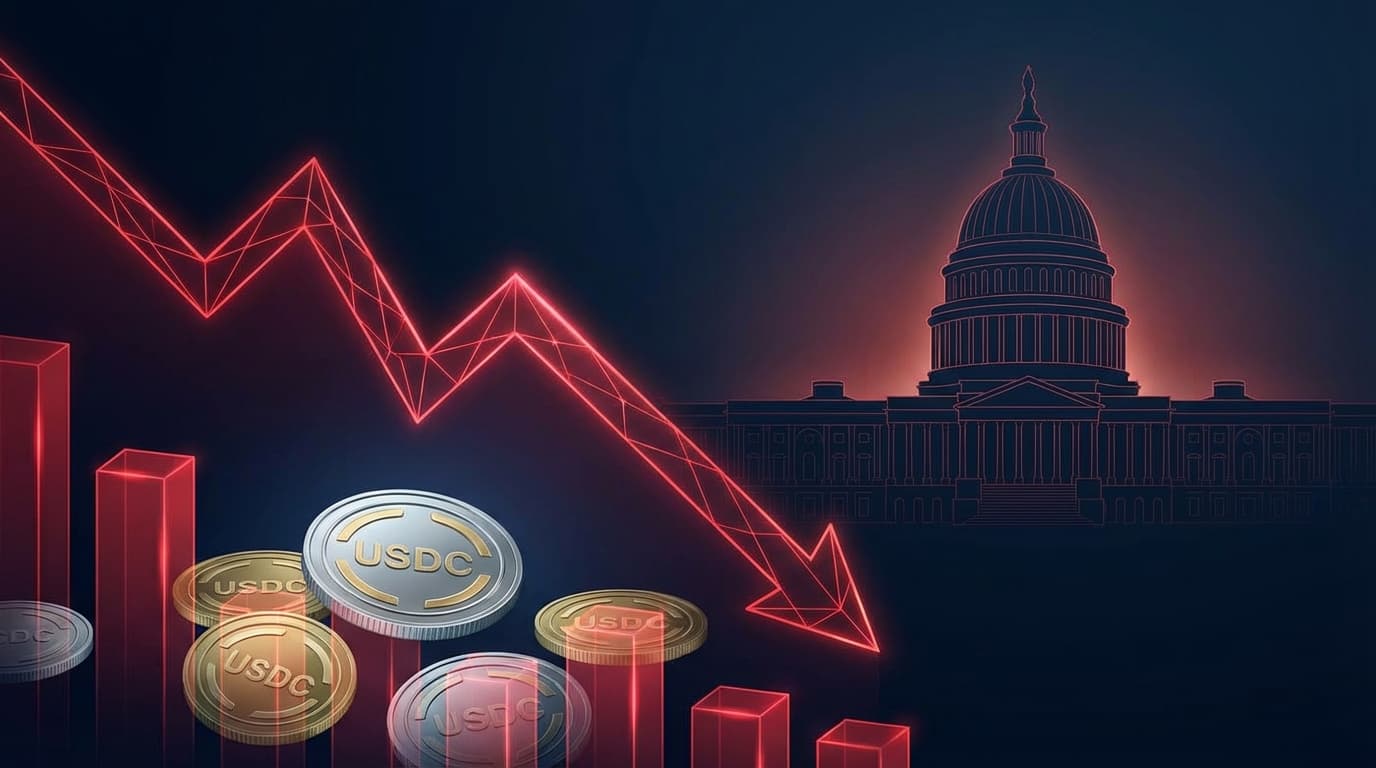
South Korea's financial watchdog is set to bar corporations from trading USDT, USDC, and other dollar-pegged stablecoins under new investment guidelines, marking a strict stance on foreign exchange controls in the crypto space.
What Happened
South Korea's Financial Services Commission (FSC) confirmed on March 8 that upcoming corporate virtual currency trading guidelines will exclude dollar-denominated stablecoins such as Tether (USDT) and USD Coin (USDC). The regulator cited the Foreign Exchange Transactions Act, which does not classify stablecoins as legitimate foreign payment tools.
The decision means that while South Korean corporations will soon be allowed to invest in cryptocurrencies like Bitcoin and Ethereum, they will not be permitted to hold or trade stablecoins pegged to foreign currencies. The FSC framed the exclusion as necessary to prevent companies from bypassing the country's foreign exchange controls by using stablecoins as a workaround for cross-border payments.
Why It Matters
The ruling highlights a growing tension between stablecoin adoption and existing financial regulations in Asia. South Korea's crypto market has long been dominated by retail investors, and the upcoming corporate trading guidelines represent a major shift toward institutional participation. However, barring stablecoins creates friction for firms that want to use tokens like USDT for hedging against exchange rate risks or settling trades faster.
A proposal to amend the Foreign Exchange Transactions Act to recognize stablecoins as payment instruments was submitted to the National Assembly but remains under review. Until that legislation moves forward, corporations will operate in a market where they can buy BTC but not the most widely traded stablecoin pair.
What to Watch
The amendment proposal in the National Assembly could change the equation if it gains momentum. Industry groups have pushed back against the exclusion, arguing that USDT and USDC reflect real-time exchange rates and serve practical purposes for corporate treasury management. Other Asian regulators, including Japan and Singapore, have taken more permissive approaches to stablecoin frameworks, which could pressure South Korea to revisit its stance.
Key Takeaways
South Korea's decision to exclude stablecoins from corporate crypto rules underscores the regulatory complexity surrounding dollar-pegged tokens. The outcome of the pending Foreign Exchange Act amendment will determine whether this restriction is temporary or becomes a lasting feature of the country's crypto framework.