Bitcoin Pulls Back to $67K as Analysts Debate Relief Rally
Bitcoin retreats 1.5% to $67,700 on Friday as the midweek short squeeze rally fades, with analysts divided on whether the bounce marks a turning point or a dead cat bounce.

Bitcoin dipped 1.5% to around $67,700 on Friday, giving back part of this week's short squeeze-driven rally, as Nvidia's earnings-related pullback in equities dragged risk assets lower.
What Happened
After surging to nearly $69,500 midweek in a powerful short squeeze that liquidated over $580 million in bearish positions, Bitcoin retreated to $67,766 on Friday. The decline coincided with a broader risk-off move in U.S. equities following Nvidia's earnings-driven pullback.
Despite the Friday dip, most major cryptos are posting positive weekly returns. Ethereum is up 4.8% for the week at $2,047, Solana gained 5.5%, Cardano rose 7%, and BNB added 4.3%. XRP is the notable laggard, down 0.1% weekly and 3.7% in the past 24 hours.
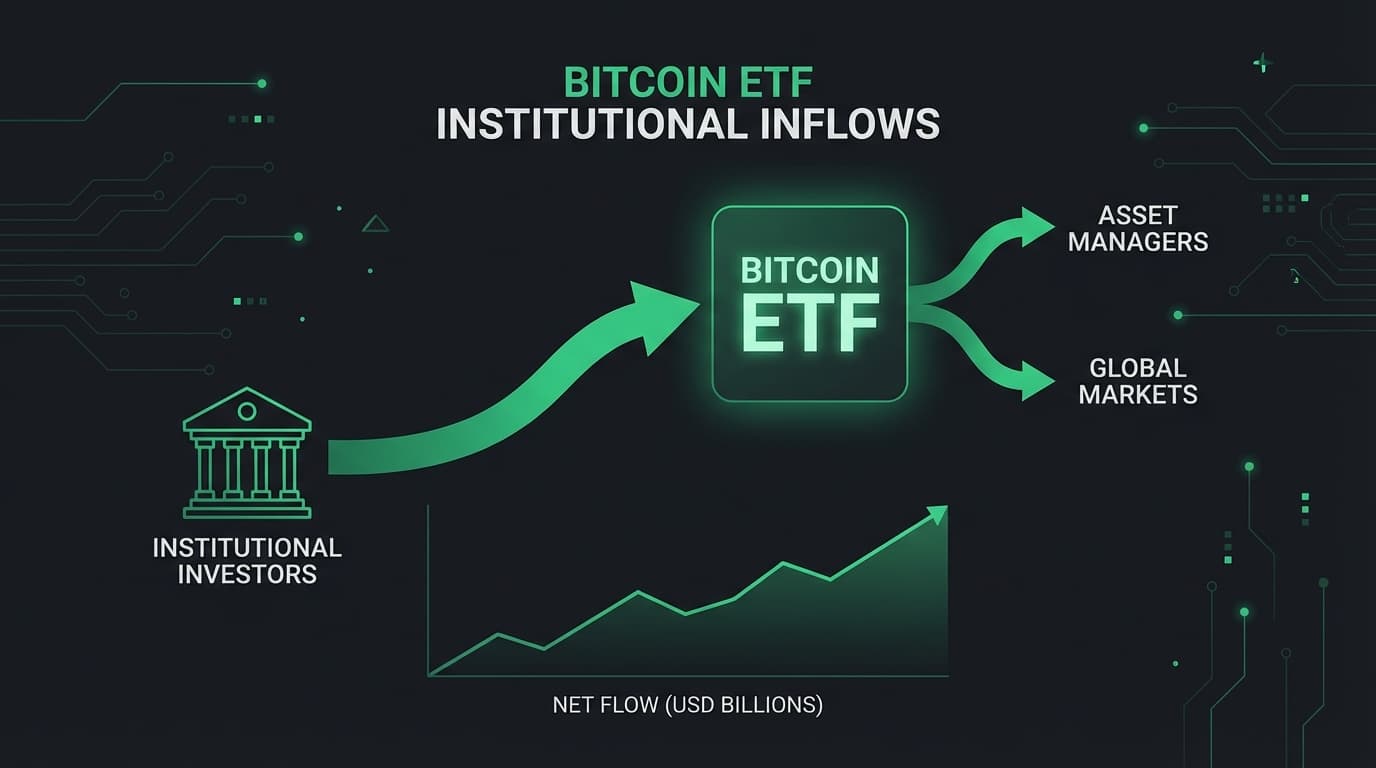
Spot Bitcoin ETFs saw net inflows return modestly this week after five consecutive weeks of outflows, adding an estimated $150-250 million in new capital.
Why It Matters
The market is at a critical inflection point. The midweek bounce was driven primarily by a short squeeze and thin liquidity rather than fresh fundamental catalysts, raising questions about its staying power.
Daniel Reis-Faria, CEO of ZeroStack, characterized Friday's action as "leverage flush and positioning cleanup rather than a trend reversal." However, the fact that altcoins outperformed Bitcoin on a weekly basis suggests that risk appetite has not fully evaporated.
The Fear & Greed Index remains in extreme fear territory below 20, a level that has historically preceded major reversals. Bitcoin is still down roughly 23% from its January 1 price near $88,000, and Ethereum has lost about 34% year-to-date.
What to Watch
The $70,000 level remains the key resistance for Bitcoin. A sustained break above it with strong volume would signal a genuine trend change. Below, $65,000 serves as near-term support, and a breach could trigger renewed selling toward February's low near $61,000.
Incoming economic data and any fresh tariff developments from the Trump administration will likely dictate the next move. Analysts from JPMorgan suggest that Congressional progress on crypto market-structure legislation by midyear could provide a meaningful fundamental catalyst.
Key Takeaways
The pullback appears mechanical rather than panic-driven, with buyers stepping back in at lower levels on Friday morning. Whether the midweek bounce becomes the foundation for a sustained recovery depends on follow-through from institutional flows and spot volume in the coming weeks.